
Pie Plant or Rhubarb Pie
EAT IT UP
WEAR IT OUT
MAKE IT DO
OR DO WITHOUT!
- A favorite patriotic 1930’s motto used by people to pacify themselves when they had to forego necessities.
Rhubarb is a good source of antioxidants, vitamin K, vitamin C, and fiber. It’s also rich in calcium oxalate. Rhubarb is a vegetable often categorized as a fruit. Due to its sourness, it’s regularly sugared for use in jams and desserts. In the 1930’s women used to can weeds and used a lot of sauerkraut to try to get some vitamin C for their hungry families. Times were hard and there was no money for any extras.
Rhubarb’s roots can be traced back to China around 2700BC. It was initially cultivated for its medicinal properties, primarily as a remedy for digestive ailments. The Chinese valued rhubarb for its laxative properties. Rhubarb made its way to Europe during the Middle Ages. There it gained popularity as a medicinal and culinary ingredient. Settlers then brought it to the New World, tucked in among other roots and seeds destined for new homesteads.
“Humility means you’re willing to give someone a bigger slice of the pie.”
-Frederick Lenz
With the expansion of the frontier, westward, pioneers dug up chunks of the roots and brought the pie plant (rhubarb) with them. As settlers moved westward, rhubarb became a vital ingredient in American cuisine, particularly as pies and preserves. Rhubarb grew well in the cold climates of the northern United States. Food sources were sparse in the 1800’s and 1900’s and rhubarb was able to help meet the needs of these pioneers.
Psalms 34:8 Oh, taste and see that the Lord is good!
Blessed is the man who takes refuge in him!
God’s provision for us and for early settlers is so wonderful. He provides for His people good things to eat and to enjoy. His provision is beautiful and nourishing. He is the Bread of Life and the Living Water.
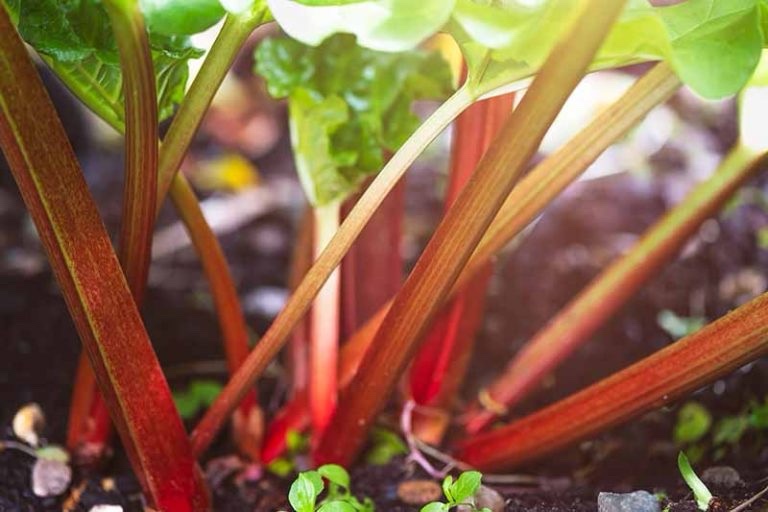
One of the most distinctive features of rhubarb is its vibrant red stalks, which contain the tart flavor so highly sought after in culinary creations. Interestingly, while the stalks are the commonly used part of the plant, the leaves are highly toxic and should never be consumed.
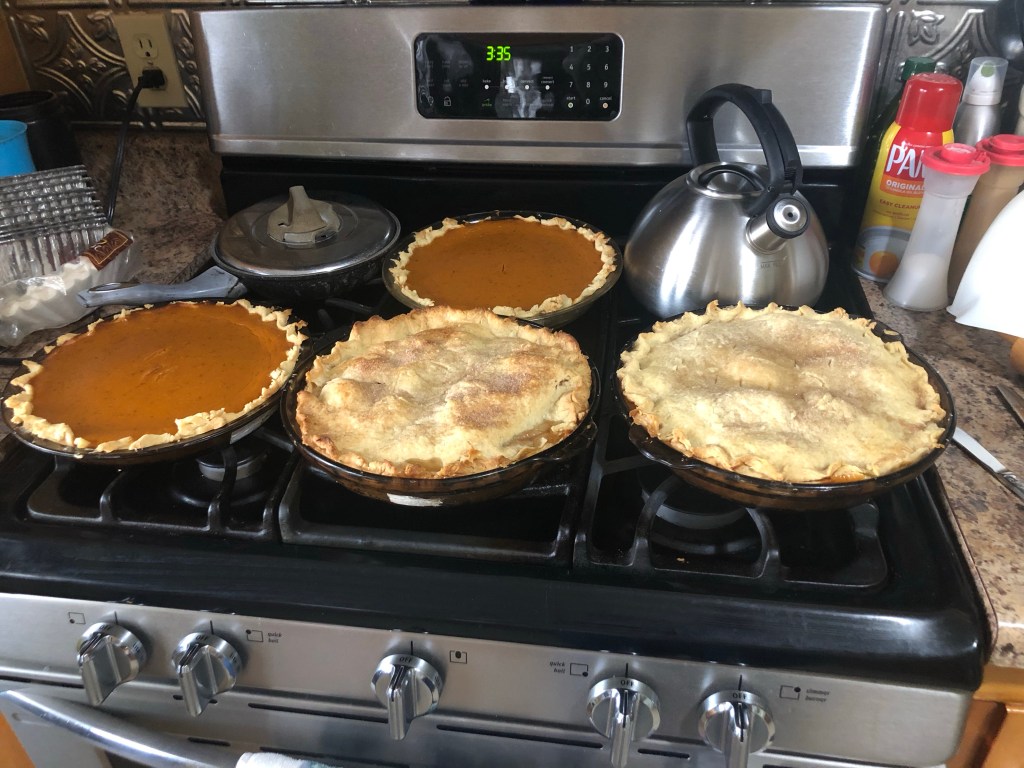
“Pie is my therapy!”
-Anonymous
Rhubarb was also called pie plant as it was used so often in pies. That is the favorite pie for the Farmer. You can’t beat a good rhubarb pie! There are many ways to use rhubarb today in cakes, crumbles, salads, jams and of course pie. Many times rhubarb and strawberries were used in pies together. This does not work for the Farmer though. He likes his rhubarb straight! Well not without a lot of sugar to calm down the tart taste.
“A boy doesn’t have to go to war to be a hero; he can say he doesn’t like pie when he sees there isn’t enough to go around.” E.W. Howe
Rhubarb can be started by seed but will take three years before you can begin harvesting stalks. It is much better to ask a neighbor or friend for a chunk of the root. You will be able to harvest in a year or two that way.
My great aunt Maude gave me her recipe for “pie plant” pie at my bridal shower fifty-two years ago. It was a hit with the Farmer and I use the same recipe today. That page sure bears the marks of use in the recipe box.
“Pilates? Oh, heavens no. I thought you said rhubarb pie and lattes!”
Anonymous
Pie Plant Pie (one pie)
3-4 cups pie plant (chopped fine)
2 T. flour
1 ½ cups sugar
2 eggs
Bake with 2 crusts at 400 degrees for 15 minutes. Then turn oven down to 350 degrees for 30 to 40 minutes until the top is golden brown.
Crust
2 cups sifted flour
1 tsp. salt
2/3 cup shortening
5-6 T. cold water
Use a pastry blender and cut shortening into flour and salt until mixed and beads of dough remain. Add 5-6 T. cold water one at a time mixing with a fork. When the dough sticks together well, roll out half of the dough with rolling pin. Butter 9 inch pie plate and place the bottom crust in the glass pie plate. Add pie plant filling. Add some pats of butter on the top of the filling. Roll out top crust and place on top of filling. Seal the edges and sprinkle the top of the pie with a mixture of cinnamon and sugar. Baking directions are above.
Eat that warm pie with a little ice cream and a lot or Thanksgiving to our good Lord for creating rhubarb.
 Where the Dutch Ovens Roam